Posts

Showing posts with the label Packaging

The Science Behind Glass Packaging: How It Keeps Your Products Safe
Image
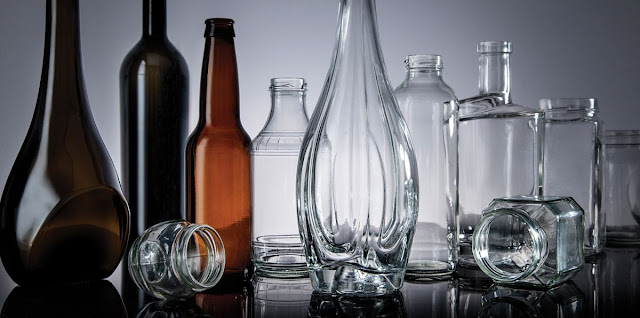
  Glass packaging  The durability, environmental friendliness, and adaptability of glass packaging make it a popular choice in the packaging sector. Glass is still one of the most often used materials for packaging a variety of goods, including food, drinks, medications, and cosmetics. Glass packaging has been used for many years. We shall look at the properties, benefits, and uses of glass packaging in this post. Since glass is non-porous and inert, no reactions take place when it comes into touch with other substances. This makes it perfect for use in food and beverage packaging because it has no impact on the flavour or quality of the final product. Glass packaging is renowned for its strength and durability, which enables it to safeguard the contents from harm during storage and transit. Glass is transparent, which makes it a fantastic marketing tool for businesses since it enables customers to view the goods before they buy it. The environmental friendliness of glass...
The Growing Popularity of Linerless Labels: What You Need to Know

Image
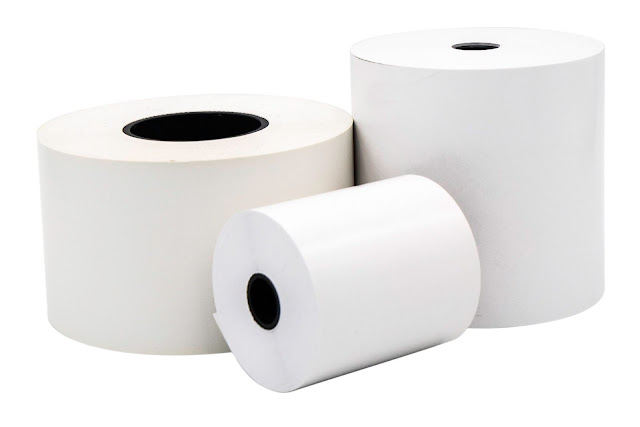
Linerless Labels Linerless labels, also known as liner-free labels, are labels without a backing paper or liner, in contrast to ordinary labels. Liners often contain a release layer that makes it simple for labels to readily peel away without damaging the adhesive beneath them, allowing them to still stick to things like boxes and envelopes. In contrast, linerless labels include a silicone release coating on the top layer and a unique adhesive that makes it possible for them to peel away from the labels below. Linerless labels may virtually serve as their own liners thanks to the silicone covering. There are several labelling choices available on the market, ranging from conventional labelling employing pre-cut, liner-backed labels to linerless labelling solutions. Without a liner, linerless labels are pressure-sensitive labels that are created with a silicon top coat to guarantee that the labels separate from one another. The labels are able to be coiled on a roll without the adh...

Labelling Made Easy: Understanding Pressure Labels

Image
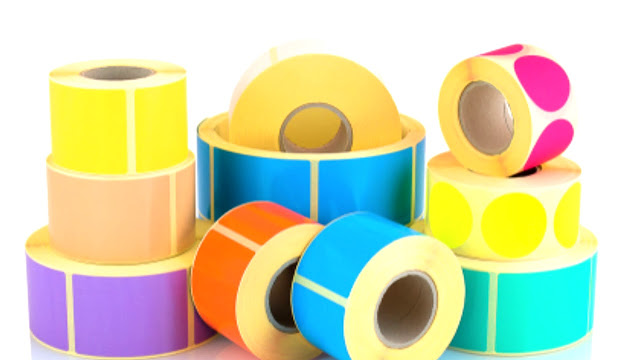
  Pressure Labels Stickers and Pressure labels share many similarities. In order for the glue and the product to adhere together, pressure is necessary. Because these labels are self-adhesive, they may be applied to products without the need for heat, solvents, or water. With vivid, vibrant colours produced in a variety of applications, this labelling achieves the ideal mix between cost-effectiveness and luxury brand appeal. Pressure labels: how are they made? Several printing processes are used to manufacture pressure labels . These can include thermal, digital, and flexographic printing. PSLs, in their simplest form, combine a substrate, label material, adhesive, and ink to produce artwork that is applied to the objects you see every day. Your packaging, which may be made of almost anything, including glass, clear plastic, jars, and bottles, may have our pressure-sensitive labels applied to both the front and back. The size of our labels can also vary, from a little strip t...